You see the word “flushable” on the package. You assume it means what it says. You flush the wipe. The toilet works. Problem solved.
Except it is not. That wipe is still in your sewer line somewhere, fully intact, slowly building up with every wipe that came before it and every one that comes after. And one day, usually at the worst possible time, that buildup becomes a backup.
This is one of the most common drain calls we get in Aurora, and one of the most frustrating for homeowners — because nobody flushing a wipe thinks they are causing the problem.
Toilet Paper vs. Wipes: They Are Not the Same Thing
Toilet paper is engineered to fall apart the moment it gets wet. Drop a sheet in a glass of water and stir it for thirty seconds. It is gone — just fibers floating in cloudy water.
Now do the same thing with a “flushable” wipe. Stir it for thirty seconds. A minute. Five minutes. It is still a wipe. Pull it out, hold it up, and it is essentially intact. That is not an accident. Wipes are made from synthetic fibers — polyester, polypropylene, rayon blends — that are designed to stay strong when wet. That is what makes them useful for wiping. It is also what makes them disastrous for your sewer line.
The label says “flushable” because the wipe will physically go down the toilet. It does not say “breaks down in your pipes” because it does not.
What Actually Happens in Your Sewer Line
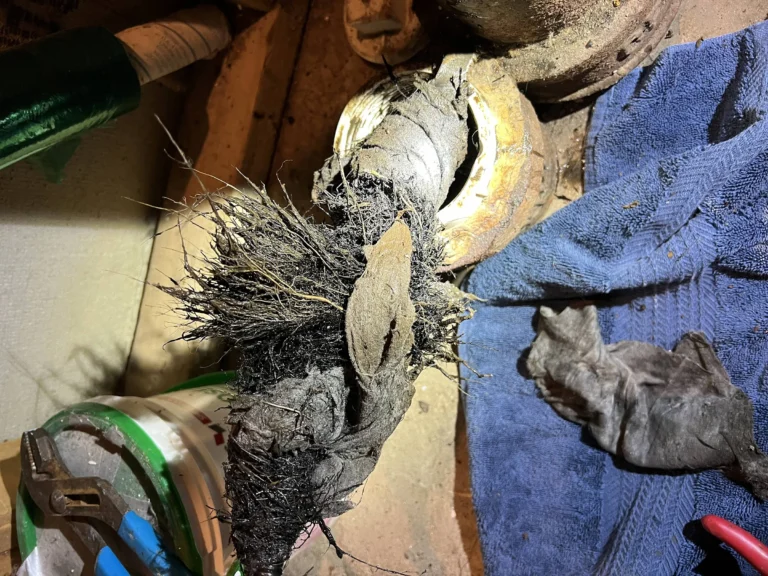
Once a wipe is in your sewer line, gravity carries it along with everything else heading downstream. If your line has any kind of imperfection — a slight belly where the pipe sags, a small offset at a joint, a partial blockage from grease or roots — the wipe catches.
One wipe is not a problem. The next one catches on the first. Then the next. Wipes also tend to bind with grease, hair, and any other debris in the line, forming what plumbers call a “fatberg” in miniature. New York City and London have pulled fatbergs out of public sewers the size of school buses, made almost entirely of wipes and congealed grease.
Your home sewer line is smaller and gives up faster. By the time the buildup reaches a point where water cannot get past it, you have a backup — and the wipes that caused it are now a solid mass that will not respond to a simple plunger or even a basic snake.
The “Flushable” Label Is Marketing, Not Engineering
Here is the part that frustrates homeowners most. The wipe brands know wipes do not break down properly. There have been lawsuits. There have been settlements. Multiple municipalities and water utilities have publicly stated that “flushable” wipes are a primary cause of sewer line damage and treatment plant failures.
The wipe manufacturers’ own flushability test — the one they use to justify the label — involves shaking the wipe in water for three hours. That is not what happens in your sewer line. Your wipe gets a few seconds of agitation in the bowl and then sits in a pipe.
The bottom line: if a wipe says “flushable,” treat the word as advertising. Treat the product as something that goes in the trash.
What You Should Never Flush
Beyond wipes, a surprising number of common bathroom items cause the same kind of buildup problem. The complete “never flush” list for protecting your sewer line:
- All wipes, including baby wipes, cleaning wipes, makeup remover wipes, and any product labeled “flushable”
- Paper towels and tissues (they are stronger than toilet paper and do not break down as fast)
- Feminine hygiene products
- Dental floss (it is plastic and it wraps around everything)
- Cotton balls, cotton swabs, and cotton rounds
- Hair (it binds with grease and forms mats)
- Cat litter, even the “flushable” varieties
- Diapers, even biodegradable ones
- Grease, fat, or cooking oil down any drain
If it is not toilet paper or human waste, it goes in the trash. That single rule prevents the majority of avoidable sewer backups.
Signs You Already Have a Wipe Problem in Your Sewer Line
Wipe buildup gives you warning signs before it becomes a full backup. Watch for:
- A toilet that flushes slower than it used to
- Gurgling sounds from drains when the toilet flushes
- A toilet that needs to be plunged regularly
- Slow drainage from multiple bathroom fixtures at once
- A backup that keeps recurring no matter how many times the drain is cleared
If any of those sound familiar, the wipes are still in the line. Clearing the immediate blockage without addressing the buildup means you will be on the phone again in a few months.
How to Actually Clear a Wipe-Caused Blockage
Wipes do not respond well to standard rodding. Rodding can break through a clog, but a wipe-and-grease buildup tends to re-form once the rod passes through because the material is still coating the inside of the pipe.
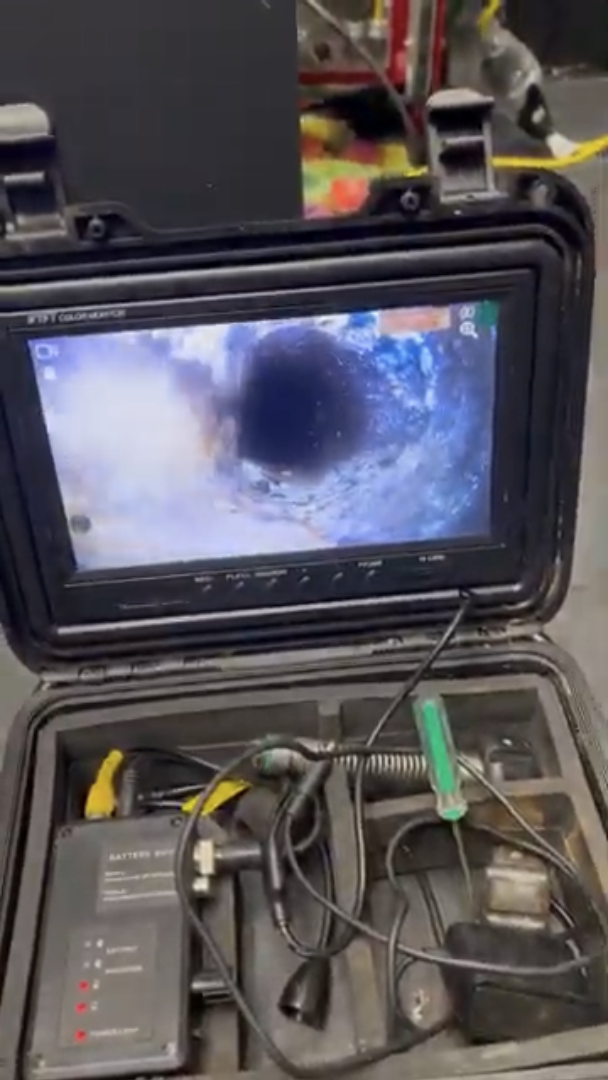
The right tool for a wipe-caused blockage is hydro jetting. High-pressure water scours the interior pipe wall clean — wipes, grease, and all — and flushes the debris through to the municipal main where it belongs. Camera inspection before and after confirms the buildup is fully removed, not just punched through.
For homes that have been flushing wipes regularly for years, one professional hydro jetting can be the difference between a sewer line that backs up every six months and a sewer line that runs clean for years.
The Bottom Line on Wipes and Your Sewer
The “flushable” label is the single most misleading word in plumbing. If you are flushing wipes — any wipes, of any brand — you are building toward a backup. The longer you do it, the more expensive the eventual cleanup gets.
Aurora Sewer Cleaning Corp has cleared more wipe-caused backups than we can count across Aurora, Naperville, Joliet, and the Fox Valley since 2019. Every job starts with a sewer camera inspection so you see exactly what is in the line. Hydro jetting jobs are backed by up to a 6-month written warranty. Available 24/7 with no overtime surcharge. Hablamos español.
If you suspect wipes are causing recurring problems in your sewer line, or you just want to know what is actually in there before the next backup, call us at (630) 853-2780 for a camera inspection and an honest recommendation.